Bath
Bath is the largest city in the county of Somerset, England. Known for and named after its ancient Roman-built baths, this charming city is in the valley of the River Avon, which runs through its town centre.
Built for pleasure and relaxation, the beautiful Bath has been a wellbeing destination since Roman times. The waters are still a big draw, both at the ancient Roman Baths and the thoroughly modern Thermae Bath Spa, which houses the only natural thermal hot springs in Britain you can bathe in.
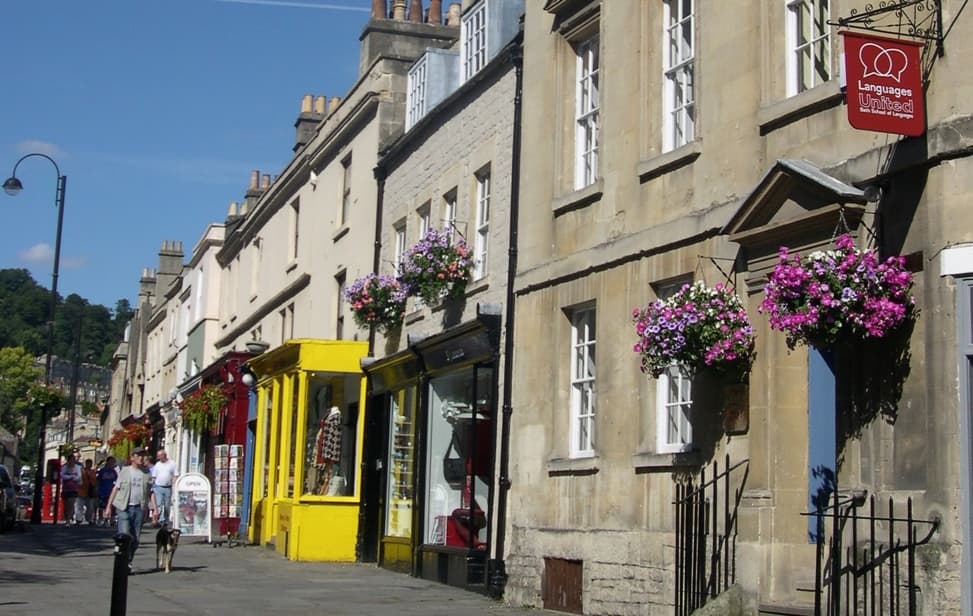
Bath’s old-world centre is overflowing with places to eat and drink, some of the finest independent shops in Britain, as well as much history and tradition. Immerse yourself in Bath’s remarkable collection of museums and galleries, and enjoy year-round festivals, theatre, music and sports.
Bath's stunning honey-coloured Georgian architecture is straight from a Jane Austen novel – highlights include the iconic Royal Crescent and the majestic Circus. There’s plenty to see beyond the city, too, with stunning Somerset countryside to explore, as well as attractions like Stonehenge, Avebury and Longleat Safari Park.
More to see
Bath Abbey & Tower: Visit Bath Abbey to enjoy the magnificent glass-stained windows, columns of honey-gold stone and spectacular stone fan vaulting. Be sure to climb the 200+ stairs to the tower for panoramic views of Bath.
The Roman Baths: 2000 years of history await in this incredible museum.
Thermae Bath Spa: Why not bathe in the same warm, mineral-rich waters as the Romand did over 2,000 years ago? You can at Thermae Bath Spa. Soak in many of the mineral-rich baths, including the large rooftop pool.
Pulteney Bridge: This picturesque, historic bridge, built in 1774, crosses the River Avon and has rows of independent shops lining each side.
The Circus: The Circus is a historic street of large Georgian townhouses forming a circle with three entrances.
The Jane Austen Centre: This small museum chronicles the life and times of the famous British novelist Jane Austen, who spent most of her life living in Bath.
The Fashion Museum: The Fashion Museum was founded by Doris Langley Moore, who donated her personal collection to the City of Bath in 1963. It houses iconic attire from the 18th century to modern-day.